

How to Make Friends (Ideally Before) and After Retirement: 12 Ways That Actually Work
Watching my parents navigate retirement taught me something important about friendship.
My mom had her own social life—friends she’d see, activities she’d do, a world outside their marriage. My dad? He had my mom. And in his mind, that was enough.
But here’s the thing: while she loved him deeply, she needed her own space. Time to herself. Room to breathe.
On the phone, my mom would often mention “I just wish your dad had some of his own friends to do things with.”
Here’s what nobody tells you: Whether you’re single or married, you need friends. Not just for fun—for your actual survival.
Loneliness increases your risk of early death by 26% (comparable to smoking 15 cigarettes a day). Isolated retirees have a 64% higher risk of dementia. People with strong social connections simply live longer, healthier lives.
If you’re single: Friends are your lifeline, your emergency contacts, your chosen family.
If you’re in a relationship: Friends aren’t a threat—they SAVE your partnership. They give your spouse breathing room. They make you more interesting to come home to. Your partner cannot be your only friend. That’s not love—it’s codependency.
The idea of making friends leading up to or after retirement can seem daunting. The truth is, making meaningful and lasting connections far outweighs the effort and thoughts of awkward moments.
It all starts with one step. Here are 12 realistic ways to build the social life you deserve.
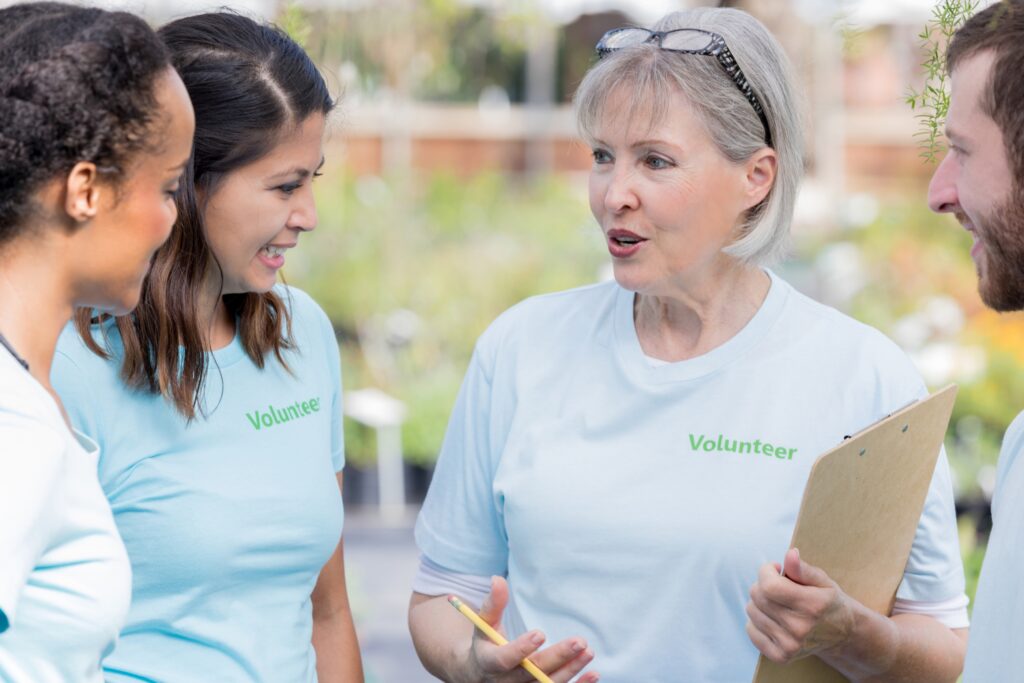
1. Volunteer (But Do It Strategically)
The move: Find a cause you care about and show up consistently.
Volunteering is the perfect low-pressure way to be around the same people regularly while giving back in a meaningful way. Volunteering can be a win-win by adding purpose to your life while meeting new people.
Why it works:
- You’re working toward a shared goal (instant common ground)
- Regular schedule = you see the same faces repeatedly
- Natural conversation starters built in
- You skip the “what do you do?” awkwardness (nobody cares—you’re all retired)
The strategy: Don’t just volunteer anywhere. Pick something that matches your interests or skills. Love animals? Shelter volunteer. Passionate about hunger? Food bank. You get the idea.
The key: Commit to the same shift every week. Tuesday mornings. Thursday afternoons. Whatever. Consistency is how acquaintances become friends.
Real talk: The first few times will feel awkward. You won’t know where things are. You’ll feel new. That’s normal. By week three, someone will save you a seat. By week six, you’ll grab coffee after. By week twelve, you’ll have plans outside of volunteering.
First step: Google “Volunteer opportunities near me”. Pick one. Show up next week. That’s it.
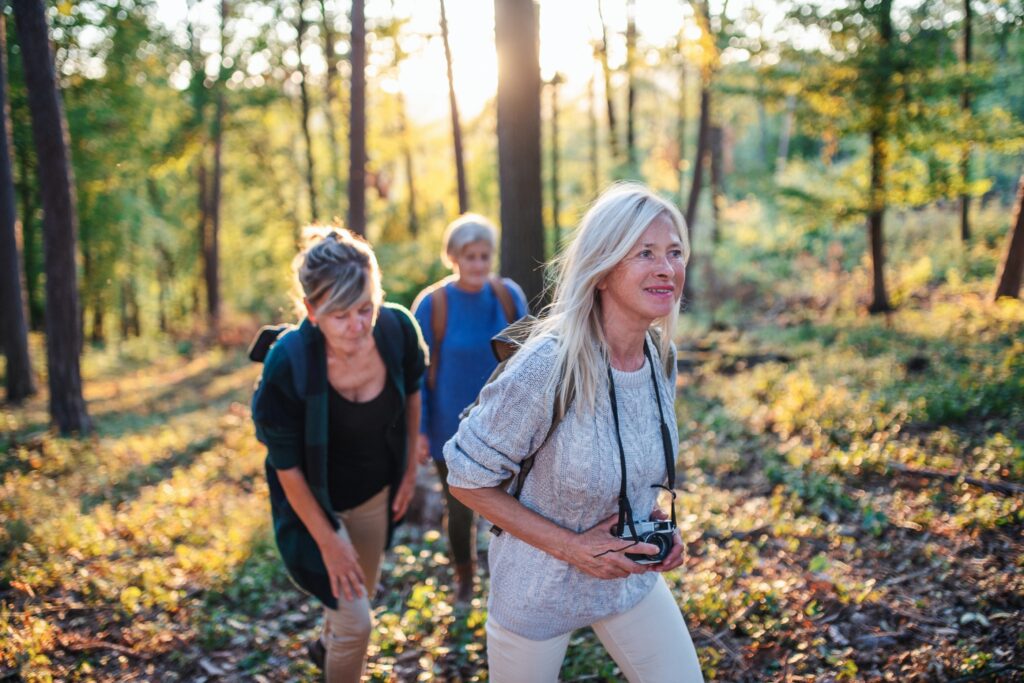
2. Join a Group (The Right Group)
The move: Find your people through shared interests, not obligations.
Book clubs. Hiking groups. Photography clubs. Veterans’ organizations. Investment clubs. Gardening societies. Classic car enthusiasts. Model train nerds. Whatever makes you light up—there’s a group for it.
Why it works: You’re meeting people who are already interested in the same passions you are. The friendship foundation is pre-built.
Where to find groups:
- Facebook Groups (Local groups are surprisingly active)
- Library bulletin boards (Old school but effective)
- Community centers
- Your local senior center (Don’t roll your eyes—some have incredible programs)
The secret: Try three meetings before deciding. The first time everyone’s a stranger. The second time, they remember your name. The third time, someone invites you to lunch.
Pro tip: Avoid groups that feel like obligations. If you hate poker, don’t join a poker club hoping to make friends. You’ll be miserable. Pick something you already love.
First step: Search Facebook for one interest you have + your city. Join the group. Commit to attending the next event.

3. Take a Weekly Class (But Make It Social)
The move: Learn something new while building a built-in friend group.
Painting. Pottery. Cooking. Dancing. Photography. Language learning. Woodworking. Tai Chi. Yoga. Whatever.
Why it works:
- Weekly commitment = repeated exposure to same people
- Shared learning bonds humans faster than anything
- Coffee/lunch after class becomes the real goal
The difference between classes and groups: Classes have a teacher and structure, which removes the pressure of leading conversation. You’re all there to learn, friendships are the bonus.
Best classes for friendship:
- Anything hands-on (cooking, art, dance)
- Small class size (under 15 people)
- Multi-week commitment (6-8 weeks minimum)
- Includes a break or social time
What to avoid:
- One-off workshops (not enough time)
- Online-only classes (defeats the purpose)
- Lecture-style courses (no interaction)
First step: Google “adult classes near me” or check your community college’s continuing education catalog. Sign up for something that sounds even remotely interesting. Go to every session.

4. Host Something (Be The Organizer)
The move: Stop waiting for invitations. Send them.
This is the advice nobody wants to hear because it requires courage. But here’s the thing: someone has to go first. Why not you?
What to host:
- Potluck dinners (Everyone brings a dish, low pressure)
- Game nights (Cards, board games, trivia)
- Movie screenings (Your living room, your Netflix)
- Coffee mornings (Casual, short, easy out)
- Walk-and-talk groups (Meet at a park, walk, chat)
- Book club (Even if it’s just 3 people at first)
- Happy hours (Your deck, BYOB)
The fear: “What if nobody comes?”
The reality: Start small. Invite 4-6 people. Even if 2 show up, that’s 2 more friends than you had before.
Where to find people to invite:
- Neighbors you’ve chatted with
- People from other groups/classes
- Old acquaintances you’ve been meaning to reconnect with
- That couple you met at the farmer’s market
The magic: When you host, YOU control the vibe. You’re not waiting to be included—you’re creating the inclusion.
Pro tip: The first gathering is reconnaissance. You’re figuring out who clicks, who’s fun, who’s exhausting. The second gathering, you adjust the guest list. By the third, you’ve got your crew.
First step: Pick a date three weeks from now. Text 4-6 people with something like: “Hey! I’m hosting a casual potluck dinner at my place on [date]. Nothing fancy, just food and conversation. Interested?” Send it before you overthink it.

5. Take Up Pickleball (Or Any Social Sport)
The move: Exercise disguised as a social event.
Pickleball is having a MOMENT with retirees, and there’s a reason: it’s easy to learn, doesn’t destroy your knees, and the culture is ridiculously social.
But it’s not just pickleball:
- Golf (Join a league, not just solo rounds)
- Tennis (Doubles is where the social magic happens)
- Bocce ball (Low impact, high chat)
- Bowling leagues
- Swimming groups
- Cycling clubs (Different pace groups available)
- Hiking groups (Side-by-side conversation = easier than face-to-face)
Why sports work:
- Regular schedule
- Natural breaks for chatting
- Shared victories and defeats
- Post-game coffee/drinks tradition
- You’re focused on the game, not the awkwardness of making friends
The key: Join a LEAGUE or organized play, not just open gym. You need to see the same faces repeatedly.
Real talk: You don’t have to be good. Nobody cares. Half the fun is being terrible together and laughing about it.
First step: Google “[your sport] + leagues near me” or check your local community center. Sign up as an individual (they’ll place you on a team). Show up week one.

6. Get a Dog (The Ultimate Social Catalyst)
The move: Adopt a four-legged wingman.
I’m not saying get a dog JUST to make friends. But I am saying if you’ve been thinking about it anyway, understand that a dog is basically a friendship magnet.
Why it works:
- Dog parks are social hubs. You show up, dogs play, owners chat. Repeat daily. Friendships form.
- Walking routes create “regulars.” You’ll see the same people at the same time. Nods become hellos. Hellos become conversations. Conversations become coffee.
- Instant conversation starter. “What breed is that?” “How old?” “Where’d you adopt him?” You’re talking before you realize it.
- Dog people are a TRIBE. They get it. They welcome new members.
The bonus: Your dog doesn’t care if you’re awkward. Your dog demands you leave the house. Your dog introduces you to people whether you’re ready or not.
If you’re not a dog person:
- Try fostering first (test run)
- Volunteer at shelters (dog benefits without commitment)
- Offer to dog-sit for neighbors (builds relationships, tests compatibility)
First step: Visit your local shelter. Even if you don’t adopt today, you’ll meet people who volunteer there. See #1.

7. Reconnect With Old Friends (But only the positive ones)
The move: Reach out to people from your past that you have fond memories of. The statute of limitations on friendship has expired.
That college roommate. The colleague you always liked. The neighbor from three houses ago. Your cousin you haven’t talked to in a decade. The friend you lost touch with during the busy years.
The fear: “It’s been too long. It’ll be weird.”
The truth: They’re probably thinking the same thing. And they’ll be THRILLED you reached out.
How to do it:
- Simple text: “Hey! I was thinking about you. How’ve you been?”
- Facebook message works too
- Or go bold: “I’m retired now and realized I miss our conversations. Coffee sometime?”
Why it works:
- Shared history is powerful
- You skip the “getting to know you” phase
- Nostalgia is a bonding agent
- They’re likely in the same boat (looking for connection)
The reality: Some won’t respond. Some will say “yes!” and then never follow up. That’s okay. A few will say yes and MEAN it. Those are your people.
Pro tip: Don’t just suggest “getting together sometime.” Propose a specific date/time/place. “Coffee next Tuesday at 10am at [place]?” Vague invites die in text message purgatory.
First step: Right now, open your phone. Scroll your contacts. Pick one person you’ve been thinking about. Text them. One sentence. Hit send before you overthink it.

8. Try Religious or Spiritual Communities (Even If You’re Rusty)
The move: Tap into built-in community, ritual, and shared values.
Churches, synagogues, mosques, Buddhist centers, Unitarian congregations, meditation groups, spiritual book clubs.
Why it works:
- Instant community structure
- Regular gatherings (weekly)
- Often have senior-specific groups
- Service projects and social events
- People are literally there to connect with others
- Coffee hour exists for a reason
If you’re not religious:
- Many Unitarian Universalist churches welcome all beliefs
- Meditation and mindfulness groups are less religious, more spiritual
- Volunteer-based organizations share many benefits (habitat for humanity, etc.)
The secret sauce: These communities are DESIGNED for connection. They want you there. They’ll invite you to things. There’s infrastructure for friendship.
What to try:
- Attend a few services/gatherings
- Join a small group (Bible study, meditation circle, book club)
- Volunteer for an event
- Attend social gatherings (potlucks, game nights)
Real talk: You don’t have to agree with everything or become super religious. Show up, be respectful, see if the people and values resonate. Some of the best friendships happen in these spaces because values alignment matters.
First step: Google “welcoming churches near me” or “[your faith] + community near me.” Visit once. If it feels weird, try a different one. There are a LOT of options.
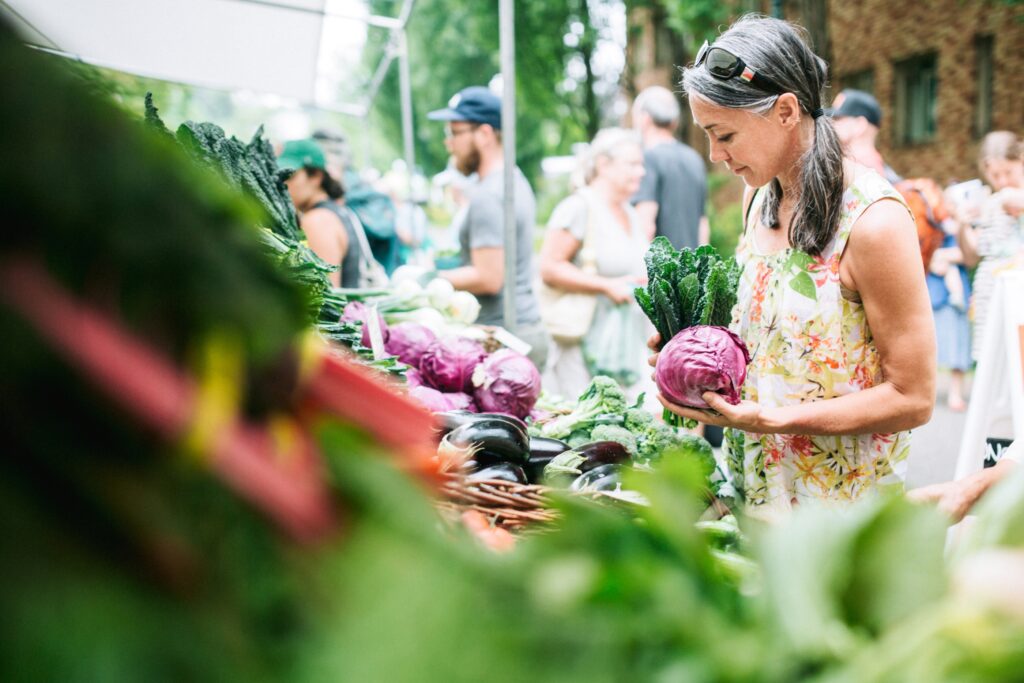
9. Become a Regular Somewhere
The move: Pick a place and go there consistently.
Coffee shop. Library. Gym. Park bench. Breakfast diner. Farmer’s market. Bookstore café. Dog park (see #6).
Why it works: The “mere exposure effect” is real. Humans like familiarity. When you see someone repeatedly, your brain goes “I know them!” even if you’ve never spoken. That familiarity makes the first conversation WAY easier.
The strategy:
- Same place
- Same day/time
- Every week
- For months
What happens:
- Week 1-2: You’re invisible
- Week 3-4: Staff recognizes you, maybe a nod from regulars
- Week 5-8: Someone comments on weather, your book, your dog
- Week 9-12: You’re chatting regularly
- Week 13+: “Want to grab lunch after this?”
Best places to become a regular:
- Coffee shops with seating (not drive-through)
- Breakfast spots (morning crowds are chattier)
- Fitness classes (not just gym)
- Dog parks (if you have a dog)
- Senior centers (designed for this)
The move: Sit in the same spot. Read. Bring a crossword. Be present (not just phone-scrolling). Make eye contact. Smile. Eventually, say good morning. That’s it.
First step: Pick your spot this week. Go there next Tuesday at 9am. Go again next Tuesday at 9am. Repeat.

10. Get a Part-Time Job (But Choose Wisely)
The move: Work a little, socialize a lot.
Retirement doesn’t have to mean zero work. For some people, a low-key part-time gig is perfect—extra cash, structure, and a built-in social life.
Best retiree-friendly jobs for friendship:
- Museum/historic site docent (Share passion, meet visitors, befriend staff)
- Library assistant (Book lovers unite)
- Retail (small local shops) (Not Target—think local boutique or hardware store)
- Seasonal work (Garden center in spring, free ski pass in winter)
- Tour guide (Show off your city)
- Golf course ranger (Social AND free golf)
Why it works:
- Built-in schedule and routine
- Shared purpose with coworkers
- Regular customers become familiar faces
- Work happy hours and outings
The key: Choose something low-stress, enjoyable, and people-facing. This isn’t about career ambition—it’s about connection (and maybe travel money).
What to avoid: High-stress, long hours, or isolating roles. You’re doing this for quality of life, not to recreate your career.
First step: Think about places you already enjoy as a customer. Ask if they’re hiring part-time. Small local businesses LOVE reliable retirees.

11. Start (or Join) Neighborhood Walking Tours
The move: Explore your own city with others.
This is weirdly underutilized. Most cities have free walking tours, historical societies, or neighborhood exploration groups. Or… you could START one.
Join existing tours:
- City historical societies
- Free walking tour companies
- Library-organized walks
- Neighborhood associations
- Meetup walking groups
Or create your own: “Saturday Morning Neighborhood Walks—meet at [park] at 8am. Casual pace, grab coffee after.”
- Post it on Nextdoor
- Neighborhood Facebook groups
- Library bulletin board
- Coffee shop flyer
Why it works:
- Low commitment (just walking)
- Side-by-side conversation (easier than face-to-face)
- Exploring = natural conversation topics
- Coffee after becomes the tradition
- You meet NEIGHBORS (proximity = easier ongoing friendship)
The beauty: You’re not selling anything. No agenda. Just “Hey, want to walk?” Humans have been bonding over walks since the beginning of time. It works.
First step: Google “free walking tours [your city]” and join one. Or post on Nextdoor: “Anyone interested in a Saturday morning neighborhood walk group?”

12. Say Yes (Even When You Don’t Feel Like It)
The move: Override your hermit instincts and show up.
This is the hardest one. Because after you retire, it is easy for your default to become “no.”
Neighbor invites you to a BBQ? “Nah, I’m tired.” Acquaintance suggests coffee? “Maybe another time.” Class reunion? “I don’t know anyone anymore.” Community event? “Eh, I’ll skip it.”
Here’s the hard truth: Friendship requires showing up. Repeatedly. Even when Netflix sounds better.
The strategy: The Rule of Three
When you get an invitation, say YES three times before you’re allowed to say no.
- First invite: Say yes (even if you don’t want to)
- Second invite: Say yes (it’ll be less weird)
- Third invite: Say yes (now you’re evaluating if you like these people)
- Fourth invite: NOW you can decide if you want to keep going
Why three times?
Because first-time anything is awkward. You don’t know anyone. You feel like an outsider. Of COURSE you don’t want to go back.
But by the third time? Names stick. Inside jokes form. You’re part of the group. NOW you can decide if it’s for you.
The exception: If something feels unsafe or genuinely miserable, you can bail after one. But if it’s just “meh” or awkward? Push through to three.
First step: The next invitation you get—ANY invitation—say yes. Put it on your calendar. Set an alarm. Show up. Stay for at least an hour. Then decide.
Your First Step (Do It This Week)
Pick one and get social!
☐ Text one old friend you’ve been thinking about
☐ Google “Meetup + [your interest] + [your city]” and join a group
☐ Sign up for one class at your community center
☐ Invite 3 neighbors for coffee next Saturday
☐ Visit your local shelter and ask about volunteering
☐ Pick a coffee shop and commit to going every Tuesday at 9am for a month
☐ Post on Nextdoor: “Anyone interested in a weekly walk group?”
☐ Say YES to the next invitation you receive
☐ Research pickleball courts near you and show up to open play
☐ Visit one church/temple/spiritual center this weekend
☐ Apply for one fun part-time job at a place you like
☐ Google “volunteer opportunities near me” and sign up for an orientation
The Bottom Line
You’re not “too old for this.” You’re a social, human being who realizes the next chapter needs people in it. That’s wisdom.
Whether you’re single building your chosen family or married giving your relationship breathing room—friendship isn’t optional. It’s essential.
You show up feeling awkward. You introduce yourself. Someone smiles. Next week is easier. Third week, someone suggests coffee. A month later, you have plans. Six months later, you can’t remember what you were so nervous about.
It all starts with the first step.
Your future self—the one with weekend plans and people who check on you and a social calendar that makes you feel alive—is waiting.
Go take that first step. You’re worth it.