
You are retiring together for better or worse: A Guide for Couples Navigating the Next Chapter

You’ve spent decades building a life together. You may have raised kids, built careers, navigated health scares and financial ups and downs. You’ve been a team through it all. And now retirement is here—or just around the corner—and suddenly you’re facing a new question: How do we do this together without driving each other crazy?
If you’re asking this question, you’re already ahead of the game. Because the truth is, retirement can be one of the most challenging transitions a couple faces. You’ve built a nest egg. Now you need to build the nest itself—and that requires intentional planning, honest conversations, and sometimes a willingness to create new boundaries within your relationship.
The 24/7 Reality Check

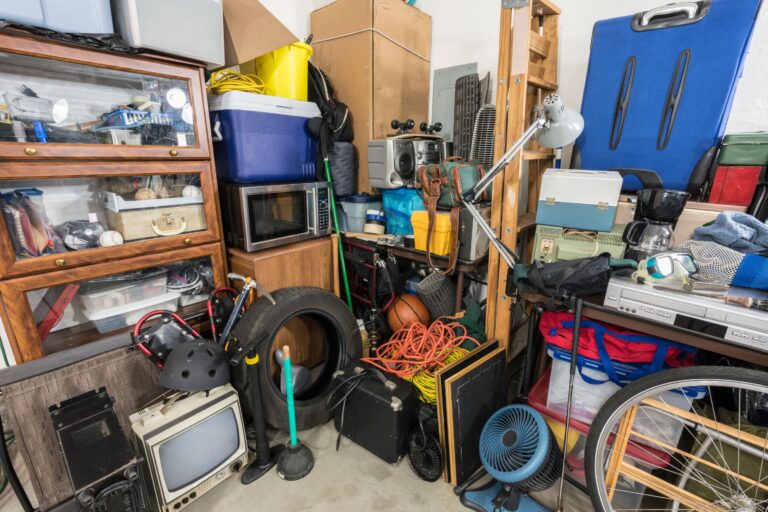
Let’s start with one simple fact: you’re about to spend a lot more time together. For many couples, this sounds romantic until week three when you realize you’ve gone from coordinating calendars to wondering why your partner needs to reorganize the garage at 6 AM on a Tuesday.
The challenge isn’t that you don’t love each other. The challenge is that for the past few decades, you’ve each had separate professional identities, your own routines, your own social circles, and your own sense of purpose outside the home. Retirement strips away those external structures, and suddenly you’re both in the same space with 168 hours a week to fill.
This is where many couples stumble. They assume that because they’ve been successful partners in one phase of life, retirement will just naturally work itself out. It won’t. At least not without some intentional planning around what I call the “People” pillar of retirement—and that includes the most important person relationship you have: your spouse or partner.
The Non-Negotiable: Maintaining Individual Friendships

Here’s something that needs to be said plainly: you need your own friends in retirement. Not “couple friends” exclusively, but your own people.
For men especially, this is critical. Research consistently shows that men struggle more with social isolation in retirement than women do. Why? Because many men built their primary social networks through work. The golf buddies from the office, the team you managed, the industry colleagues you saw at conferences—those connections often fade when the job does.
Women typically maintain broader social networks outside of work, but they’re not immune to this challenge either. The point is this: your spouse cannot and should not be your only friend and social outlet in retirement. That’s not fair to them, and it’s not healthy for you.
Make it a priority now—before retirement or early in retirement—to cultivate at least 2-3 friendships that are yours alone. Join a men’s group, a book club, a hiking group, a volunteer organization. Find your people. Your marriage will be stronger for it because you’ll have something to bring back to the relationship rather than expecting your partner to fill every social and emotional need.
Space, Hobbies, and the Art of Productive Separation
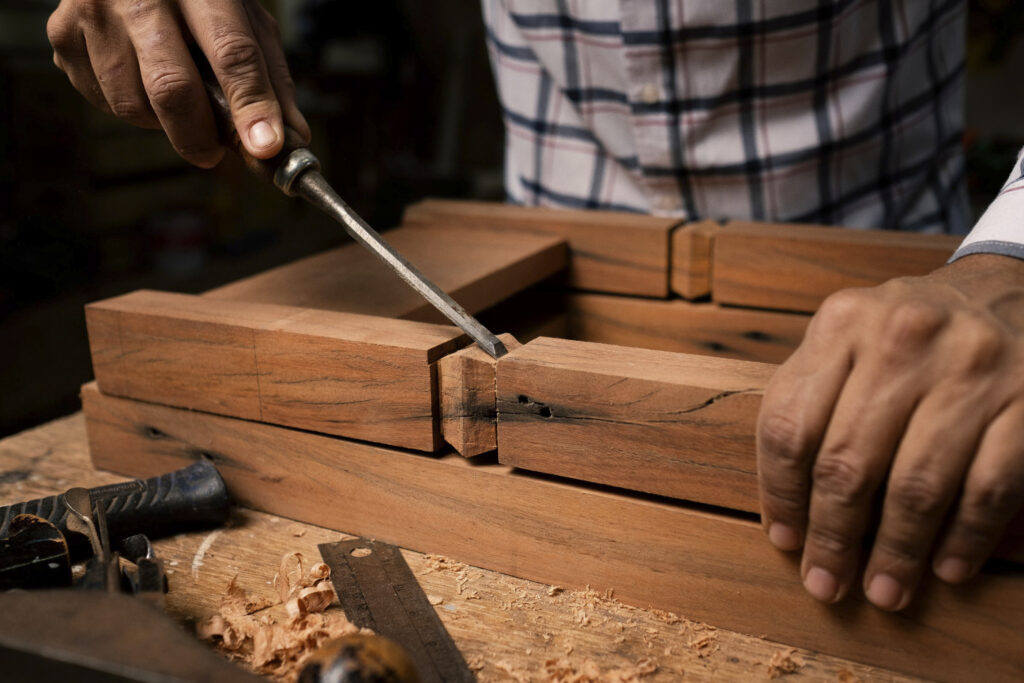
Along with separate friendships comes the need for separate interests and, ideally, separate physical space. It means having a workshop, a sewing room, exercise room, a home office, or even just designated times when one person has the living room and the other has claimed the deck.
The importance of individual hobbies cannot be overstated. Retirement gives you the gift of time—time you haven’t had since before your career and family consumed your days. This is your chance to reconnect with old passions or discover entirely new ones. Maybe you’ve always wanted to learn woodworking, take up painting, master Italian cooking, or finally learn to play the guitar gathering dust in the closet.
Your hobbies serve multiple purposes. They give you something to look forward to, they provide a sense of accomplishment and progress (the “Purpose” pillar), they often connect you with new communities (back to “People”), and crucially, they give you and your partner healthy time apart.
One of the most common complaints from newly retired couples is impatience with each other—not because anything is fundamentally wrong, but because they haven’t created enough breathing room in their days. When you each have engaging activities that are yours alone, you come back together with more energy, more to talk about, and frankly, more patience for each other’s quirks.
My dad would drive my mom crazy with this. His social circle abruptly faded away when work ended and he relied 100% on my mom for social connection and stimulation.
The Opportunity: Reconnecting Without the Noise

Now let’s flip the script, because it’s not all about creating distance. One of the most profound opportunities retirement offers is the chance to reconnect with your partner in ways that haven’t been possible in decades.
Think about it: when was the last time you had a weekday lunch together just because? When could you last take a spontaneous road trip without requesting time off six weeks in advance? When did you could explore intimacy with zero distractions or time constraints?
The career treadmill and the energy demands of raising a family consume enormous bandwidth. Even couples with strong marriages often realize in retirement that they’ve been operating as effective co-managers of a household and family enterprise rather than as deeply connected partners. The laundry list of responsibilities—soccer practices, project deadlines, aging parents, home repairs—creates a relentless task-focused dynamic.
Retirement removes much of that external pressure. The kids are (hopefully) launched. The career demands are done. You actually have energy after dinner. This creates space for the kind of connection that may have been dormant for years: long conversations about ideas and dreams rather than logistics, spontaneous adventures, shared learning experiences, or simply being present with each other without distraction.
But here’s the catch: this reconnection doesn’t happen automatically just because you have more time. It requires intention. Which brings us to a practical tool that many successful retirement couples swear by.
The Sunday Summit: Your Weekly Relationship Check-In

One of the most effective practices I recommend for couples in retirement is the Sunday Summit—a weekly check-in where you review the week ahead and, just as importantly, check in on how you’re both doing with the retirement transition.
Pick a consistent time, maybe Sunday morning over coffee or Sunday evening before the week begins. The agenda is simple: What does each person have planned this week? Are there any joint commitments? How is each person feeling about their retirement experience? What’s working? What needs adjustment?
This isn’t a business meeting (though structure helps). It’s a dedicated time to ensure you’re staying aligned on both practical logistics and emotional temperature. Early in retirement especially, this check-in serves as a pressure relief valve. Maybe one partner is feeling isolated and needs to get more social activities on the calendar. Maybe the other is feeling overwhelmed by requests for help with grandkids and needs to set some boundaries. Maybe you need to course-correct on how much togetherness versus apart time you’re each getting.
The Sunday Summit also creates space to discuss the bigger picture questions that need ongoing conversation, not just one-time decisions. Questions like…
When Dreams Don’t Align: The Travel Dilemma

Here’s a frequent scenario: One partner has been dreaming of traveling the world in retirement. The other would be perfectly content staying close to home, seeing grandkids, and perfecting their golf game or garden.
This disconnect speaks directly to the “Places” pillar of retirement—where you want to be and what you want to do with your newfound freedom. And it can be a significant source of tension if not addressed honestly.
The worst thing you can do is assume the other person will just come around to your way of thinking, or worse, silently resent them for not sharing your vision. The best thing you can do is get curious about the “why” behind each person’s preferences.
Why does one partner want to travel so much? Is it about adventure, new experiences, ticking items off a bucket list, or maybe escaping something? Why does the other prefer staying put? Is it about comfort, connection to community, health concerns, financial anxiety, or genuinely being content with local life?
Once you understand the underlying drivers, you can start creating win-win solutions. Maybe you travel, but you do it differently—shorter trips, certain types of experiences over others, travel that includes visits with friends or family rather than pure tourism. Maybe you split the difference: two big trips a year that one partner plans, and the rest of the time focused on local activities the other loves. Maybe you each take separate trips with friends or a potion of your trip separately, which circles back to maintaining those individual friendships we discussed earlier. There is the option to do separate days in the same vacation, maybe one person road bikes while the other enjoys a famous spa or one takes cooking or language classes while the other explores local history.
The key is approaching this as a problem to solve together rather than a battle to win. You’re not negotiating against each other; you’re collaborating to design a retirement that honors both people’s needs and desires. This requires compromise, creativity, and ongoing communication—which is exactly what that Sunday Summit is designed to facilitate.
The Transition Period: When Retirement Isn’t Simultaneous

A final challenge many couples face: staggered retirement. One partner retires while the other continues working, either out of necessity, choice, or because they’re in different age brackets.
This transition period can be awkward. The retired partner suddenly has abundant free time and may feel like they’re waiting for their “real” retirement to begin when their partner finally joins them. The still-working partner may feel guilty about their limited availability or, conversely, resentful that their partner is enjoying freedom while they’re still grinding.
There’s also a practical challenge: the retired partner may be tempted to take over all household responsibilities since they have the time, which can create a dynamic where the working partner becomes completely dependent and doesn’t develop their own retirement rhythms and skills.
My advice? Treat this as a pilot program. The partner who retires first gets to test out retirement activities, build new routines, explore hobbies, and make mistakes when the stakes are lower because their partner is still generating income and maintaining structure. But they should resist completely overhauling the household division of labor. Keep some shared responsibilities so that when the second partner retires, you can redesign your life together rather than having one person already locked into being the household COO.
Use this time to learn what works and what doesn’t. What activities does the retired partner find fulfilling? What creates frustration? What unexpected challenges emerge? Treat it as valuable research that will inform how you structure things once you’re both fully retired.
Planning Your Nest Together

Retirement isn’t a destination; it’s a transition into a new phase of life that requires as much planning and intention as any other major life change. You’ve built the nest egg—now you need to build the nest itself, and you need to build it together.
This means regular conversations about the practical and the profound. It means checking in on all six pillars of fulfilling retirement: Physical and Mental Health, People, Purpose, Passion, Places, and Planning. It means being honest about your individual needs while staying committed to your partnership.
The couples who thrive in retirement aren’t the ones who were perfect before. They’re the ones who recognize that retirement requires renegotiating their relationship, creating new structures, and maintaining enough independence to bring their best selves back to the partnership.
So have the conversations. Create the space. Maintain your friendships. Pursue your hobbies. Check in weekly. Compromise on the big decisions. And remember: retiring together doesn’t mean losing yourself—it means creating the space for both of you to become fuller versions of who you’ve always been, together and apart.
Because you’ve spent decades building something together. Now’s your chance to fully enjoy the fruits of your labour.
Ready to create a retirement plan that works for both you and your partner? Let’s talk about how to design your next chapter intentionally, addressing all six pillars of fulfilling retirement. Because the best years aren’t ahead by accident—they’re ahead by design.