
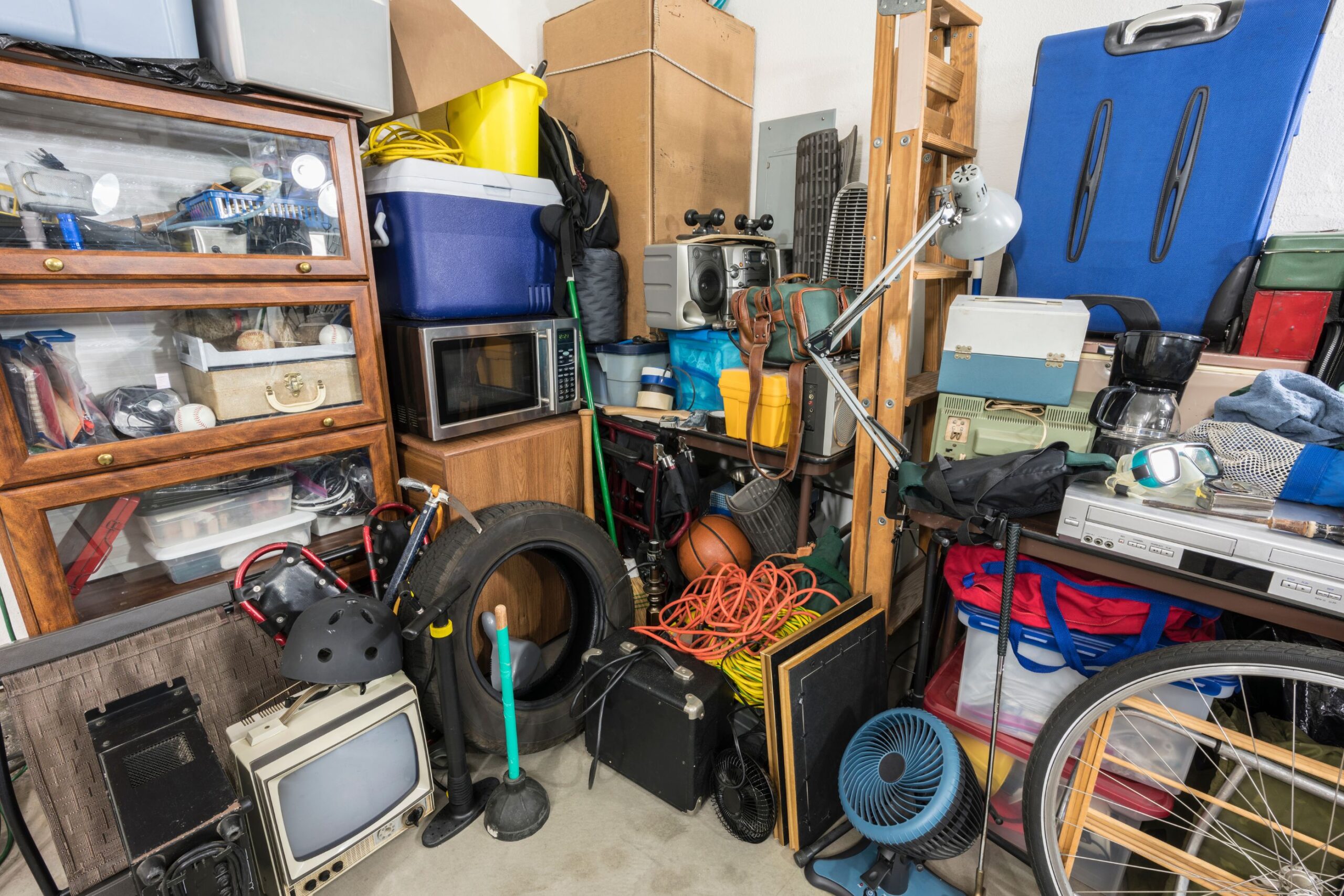
A message from your kids: Clean up your sh!t and get your affairs in order!
A Guide to Organizing Your Retirement Life
There might be an elephant in the room(s) that many retirees are avoiding: the overwhelming amount of “stuff” accumulated over decades of life, and the state of their personal affairs.
If you found the title of this blog offensive, this is a deeply personal issue to me. I watched my mom spend three months of her life going through her mom’s 3-level townhouse. Having kept a wartime mentality of scarcity through her life, my grandma kept every scrap of fabric, piece of paper and essentially everything that entered her house for decades.
Day by day my mom painstakingly went through each drawer, cabinet, closet and over 100 boxes in the basement. With her siblings living in opposite sides of the country, she was overwhelmed by the burden. I can tell you firsthand – one of the greatest gifts you can give your children is getting your house in order, both literally and figuratively.
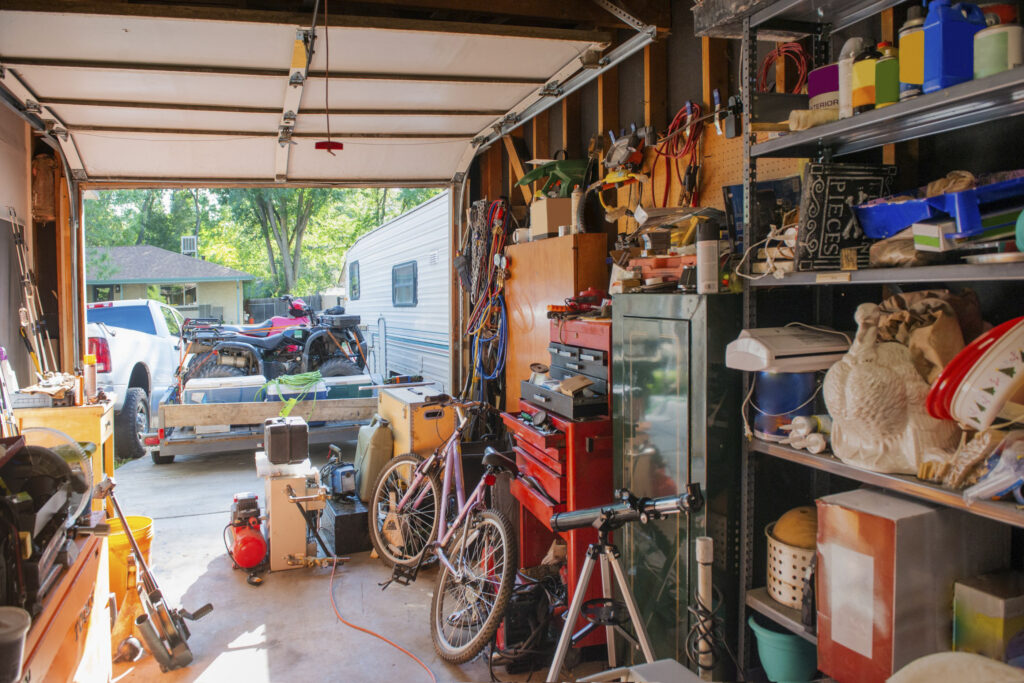
A Personal Wake-Up Call
In August of 2022, I found myself on a cross-country flight to help my recently widowed father pack up and move out of our family home of 44 years. What I thought would be a straightforward task of packing and organizing turned into an overwhelming five-day marathon of archaeological excavation through decades of family history, paperwork, and accumulated possessions.
Multiple filing cabinets were filled with long outdated paperwork, warranties for long-defunct appliances, and instruction manuals for gadgets that no longer existed. I became what felt like a forensic accountant, piecing together my dad’s financial life through scattered documents and piecing together passwords from dozens of sheets of paper. During the process, I discovered a substantial retirement account he did not know existed by cross-referencing monthly payments from various investment firms. Trying to make sense of his estate planning (or lack thereof), I vowed I wouldn’t leave such a mess for my children to figure out.
Closets throughout the house were overflowing with board games and toys that hadn’t been used in decades. Each shelf was stacked high with puzzles, old electronic games with missing pieces, and toys that had long since been forgotten. Some were still in good condition, while others had succumbed to years of neglect in dark corners. Opening each closet door revealed another layer of memories, but with only five days to sort through everything, there wasn’t time to get lost in nostalgia. I had to make quick decisions about what could be donated, what might be worth selling, and what simply needed to be thrown away.
It’s easy to assume that somebody might want something in the home “someday” but it is more often the case that items are of no use down the line. I can’t emphasize enough how important it is to have an honest discussion with yourself, partner and children about what will actually be wanted in the future. We get nostalgic about things, but the truth is, it’s the past memories of the time we spent sharing or using the thing that is important.
Breaking Down the Overwhelming into the Manageable
If this story resonates with you, know that you’re not alone. Many retirees feel overwhelmed by their possessions and paperwork, but there’s a way to tackle this challenge that won’t feel like a solo climb of Mount Everest with no oxygen. Here’s how to get started:
Physical Decluttering: A Room-by-Room Approach
If there are still large amounts of your adult children’s stuff in your home, organize it together, and invite them over for dinner to either pick it up or make the decision to get rid of the stuff. If they are across country or overseas, send them photos and ask if they still want any of the items.
Decluttering absolutely does not mean renting a storage unit and moving the problem to another building with an added monthly expense.

The Kitchen
- Start with expired foods and unused appliances
- Consider gifting duplicate items to family members
- Donate excess kitchen tools to local charities
- Keep what you actually use including seasonal items
Bedrooms and Closets
- Sort clothes into seasonal wear
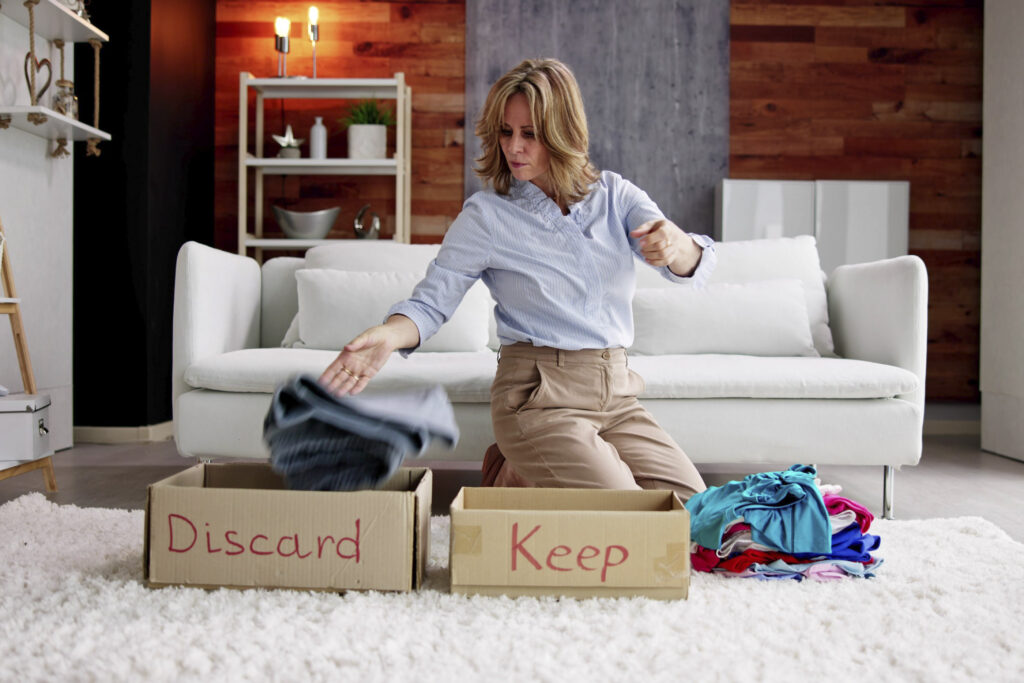
- Create piles: keep, donate, sell
- Ask family members if they want special pieces
- Consider consigning valuable items
Living Spaces
- Evaluate furniture for current lifestyle needs
- Digitize old photos and videos
- Sort through books and magazines
- Consider downsizing collections
Basement/Garage/Attic

- Start with obvious trash and outdated items
- Sort remaining items by category
- Document valuable items for insurance
- If you were an antique collector, consider hiring an estate sale professional
Safety First: Smart Selling Strategies
When selling items online through Marketplace, Craigslist, Kijiji, etc:
- Meet in public places or police station parking lots
- Never share personal information
- Accept cash or secure payment methods only
- Have someone present during home pickups
- Trust your instincts – if something feels off, it probably is
Digital Organization: Your Modern Filing Cabinet
The days of keeping every piece of paper are over. Today’s technology offers secure, accessible ways to organize your important documents and memories. Here’s a comprehensive guide to getting your digital house in order:
Essential Documents to retain original and potentially digitize
- Personal Identification
- Birth certificates and passports
- Social Security cards
- Marriage certificates
- Military service records
- Financial Documents
- Tax returns (last 7 years)
- Current Investment statements
- Pension documents
- Insurance policies
- Property Records
- House deeds and titles
- Vehicle titles
- Major appliance warranties
- Home improvement records
- Medical Information
- Health insurance cards
- Medical history
- Prescription lists
- Advanced directives
Digital Organization Best Practices
Much of our lives is now in digital form. Have important documents, family photos/videos in a safe and secure place on your computer and ideally on a separate hard drive.
Take the time to go over the location with your spouse, trusted children or executor of your will. Alternatively, a separate safety deposit box can be an excellent place to have copies of all of your essential documents including wills, investments, property information along with photos and videos. Your trusted contact(s) can be listed and be told the location of the key.
- Create a logical folder structure
- By category
- By family member
- Use clear file naming conventions
- Include dates (YYYY-MM-DD format)
- Implement backup systems
- Cloud storage backup
- External hard drive backup
- Security measures
- Use strong passwords
- Enable two-factor authentication
- Regular security updates
- Encrypted storage for sensitive documents
Managing Rewards Programs
Many retirees accumulate significant value in various loyalty programs over the years. Don’t let these assets go to waste:
- Document all loyalty program memberships
- Account numbers
- Login credentials
- Current point/mile balances
- Expiration dates
- Check transfer and beneficiary options
- Some programs allow point transfers to family members
- Others may have survivor benefits
- Consider consolidating rewards
- Combine multiple accounts where possible
- Use points before they expire
- Look for program partnerships
Creating Your Digital Legacy Plan
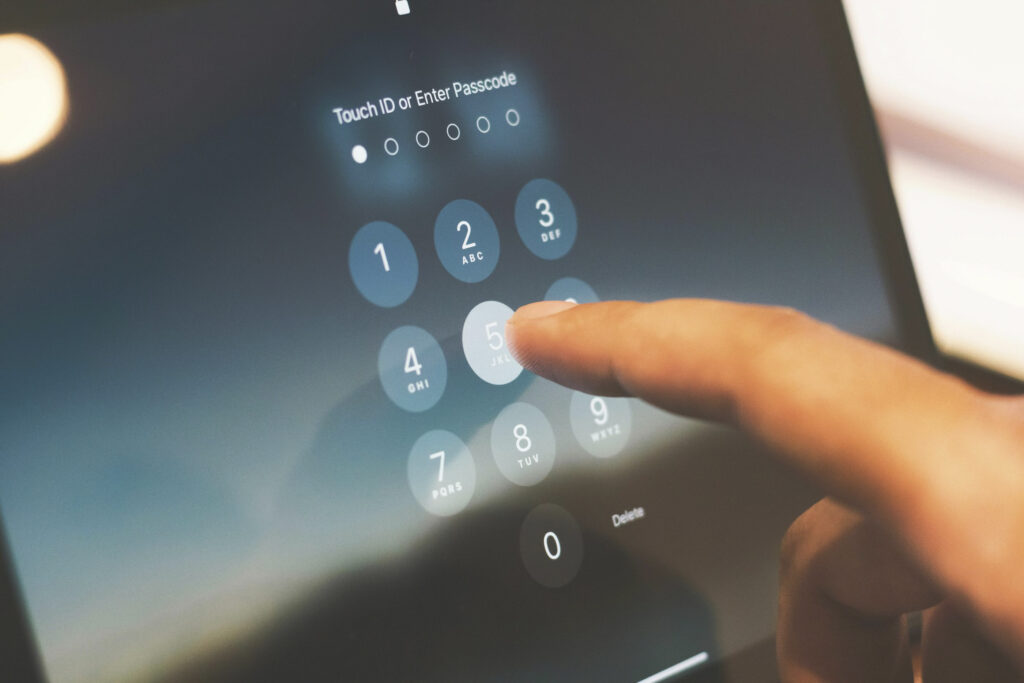
- Access Information
- Create a master password document
- List all digital accounts
- Store recovery codes safely
- Update information regularly
- Digital Asset Inventory
- Online banking accounts
- Investment platforms
- Social media accounts
- Email accounts
- Subscription services
- Rewards programs and points
- Airline miles and status
- Credit card rewards
- Hotel loyalty programs
- Store loyalty accounts
- Restaurant rewards programs
Financial and Legal Affairs
The Essential Checklist:
- Updated will and trust documents
- Power of attorney (financial and medical)
- Living will/advanced directives
- Life insurance policies
- Investment account details
- Banking information
- Property titles and deeds
- Tax records
- Passwords and digital account access
- Contact information for financial advisors, attorneys, and accountants
The Mental Health Connection

Clutter isn’t just physical – it weighs on our minds, creating invisible stress that affects our daily lives. Research shows that organizing and decluttering can:
- Reduce anxiety and depression
- Increase focus and productivity
- Enhance overall well-being
Making It Manageable
Remember, this isn’t a weekend project – it’s a journey. Start small:
- Dedicate a manageable amount of time with a set deadline
- Focus on one room or category at a time
- Celebrate small victories
- Ask for help when needed, especially when moving any large items
- Consider hiring professionals for overwhelming tasks
A Gift to Your Loved Ones
Getting your affairs in order isn’t just about decluttering – it’s about peace of mind, both for you and your family. It’s about ensuring that your legacy isn’t buried under piles of unnecessary possessions or lost in outdated paperwork. It’s about giving your children the gift of clarity and organization when they need it most.
Taking Action Today
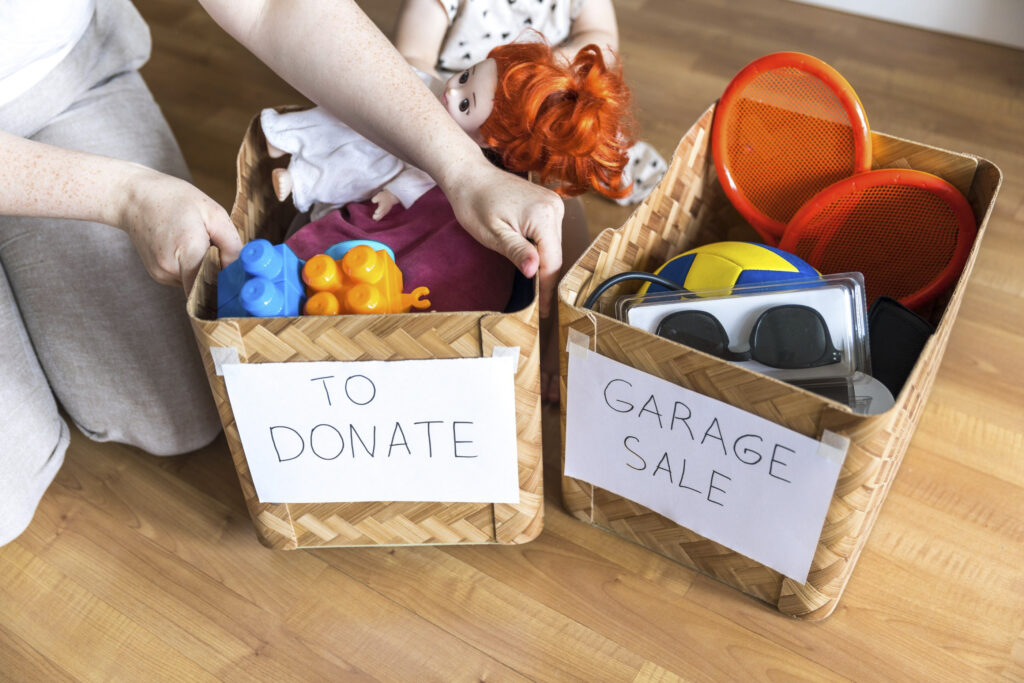
Start small, but start today. Pick one drawer, one closet, or one category of items. Set aside the proper time to organize important documents and let your trustee or executor know where they are. The journey of a thousand miles begins with a single step, and the journey to an organized retirement starts with a single drawer.
Your children will thank you, and more importantly, you’ll thank yourself for the peace of mind that comes with knowing everything is in order. After all, retirement should be about enjoying life, not managing stuff.
Remember: Every item you sort, every document you organize, and every decision you make today is a gift to your future self and your loved ones. Don’t wait until tomorrow – start creating your organized, peaceful retirement today.
[Author’s note: This blog post is based on personal experience and aims to help retirees take control of their physical space and personal affairs. For specific legal or financial advice, please consult with appropriate professionals.]